
Concussion treatment and therapy at NeuroRehab
Concussion is a type of brain injury caused by a sudden jolt or blow to the head. While most people recover quickly, others experience ongoing symptoms that interfere with daily life. If symptoms continue beyond a few weeks, it may be Persistent Symptoms after Concussion (PSaC). In cases of repeated concussions, some people may also develop Chronic Traumatic Encephalopathy (CTE), a progressive condition linked to long-term brain changes.
At NeuroRehab Allied Health Network, we provide focused multidisciplinary therapy for people with persistent symptoms. Whether you're weeks or years post-injury, our experienced team can help with recovery, self-management, and improving your quality of life.
Immediate capacity
All locations
What is a concussion?
A concussion is a type mild traumatic brain injury (TBI) that happens when the brain moves rapidly inside the skull. This can cause stretching or shearing of brain cells, changes in blood flow, inflammation and a wide range of symptoms. Some people recover quickly. Others need longer-term support.
Common questions include:
How do you know if you have a concussion?
What are the symptoms of a concussion?
How long does a concussion last?
What to do after a concussion?
How can I recover faster from a concussion?
You are not alone. If you're still experiencing symptoms, it’s time to reach out for support.
What is Persistent Symptoms after Concussion (PSaC)?
Persistent Symptoms after Concussion or PSaC (formally known as Post-Concussion Syndrome) refers to concussion symptoms that last longer than 2 to 4 weeks after the injury has occurred. These can affect physical function, thinking, emotions and behaviour.
You may be experiencing PSaC if you notice:
Ongoing headaches, dizziness or fatigue
Difficulty with memory, concentration or processing speed
Sensitivity to noise or light
Sleep difficulties or emotional changes
Difficulty returning to work, school or daily routines
We support people of all ages living with PSaC, including return-to-sport and return-to-work planning.
What is Chronic Traumatic Encephalopathy (CTE)?
CTE is a progressive neurodegenerative disease linked to repeated concussions or sub-concussive head trauma. While it cannot currently be definitively diagnosed in a living person, its symptoms often develop years after injury and gradually worsen over time.
Early symptoms of CTE may include:
Mood swings, irritability and impulsivity
Memory loss or poor judgement
Speech or communication changes
Sleep or balance issues
Behaviour changes or cognitive decline
If you’ve had multiple concussions or ongoing symptoms, our team can help manage changes and support your function and independence.
Therapy for Persistent Symptoms After Concussion
Our multidisciplinary team includes physiotherapy, occupational therapy, speech pathology, exercise physiology and dietetics. We offer home, community and in-clinic therapy options tailored to your recovery stage.
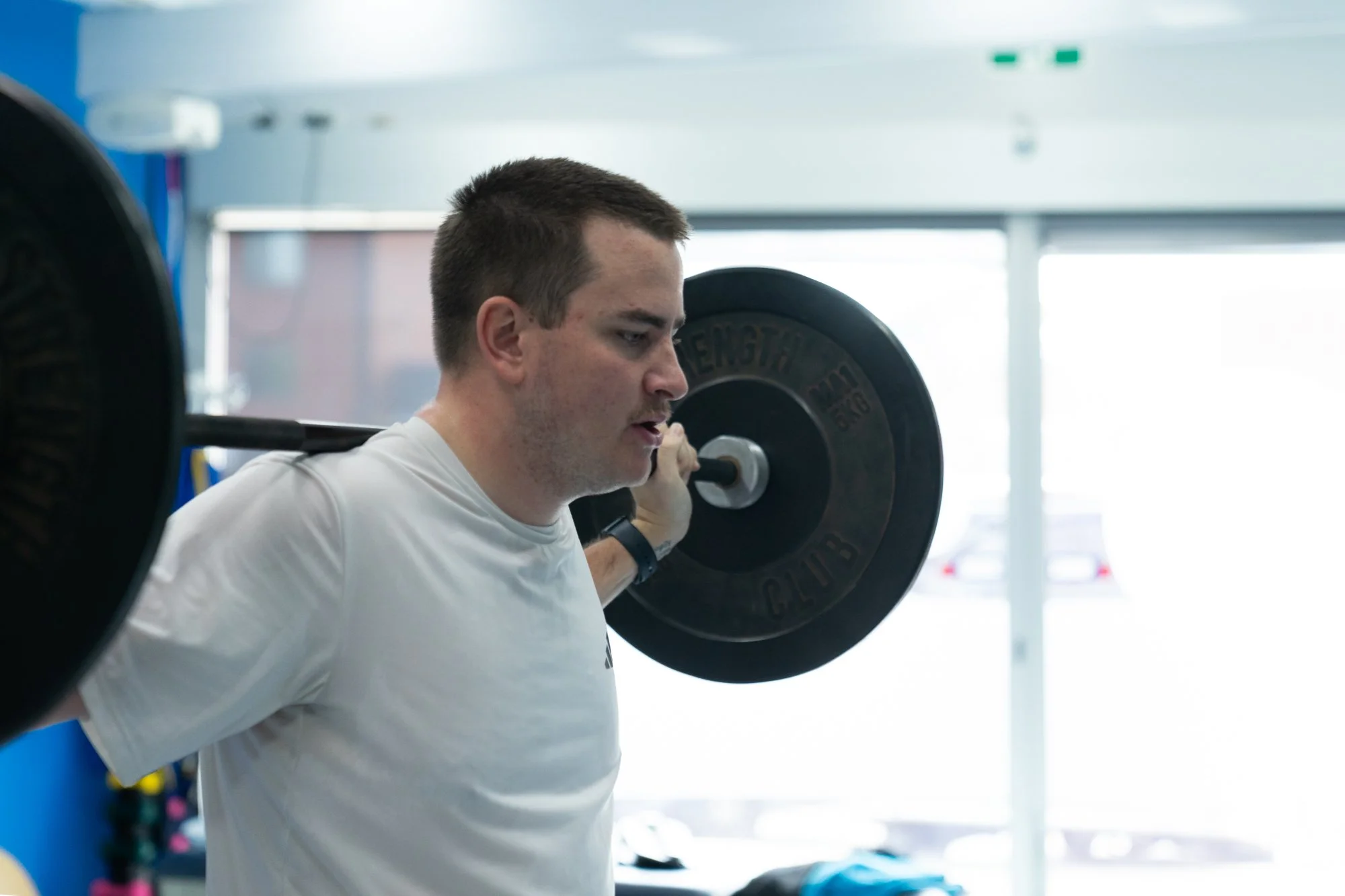
Physiotherapy
Treat balance, dizziness and vestibular symptoms
Support recovery from neck pain and posture issues
Provide graded return-to-exercise programs
Develop fall prevention strategies as mobility declines
Support adaptive movement techniques for walking and transfers
Monitor posture and breathing to reduce risk of complications
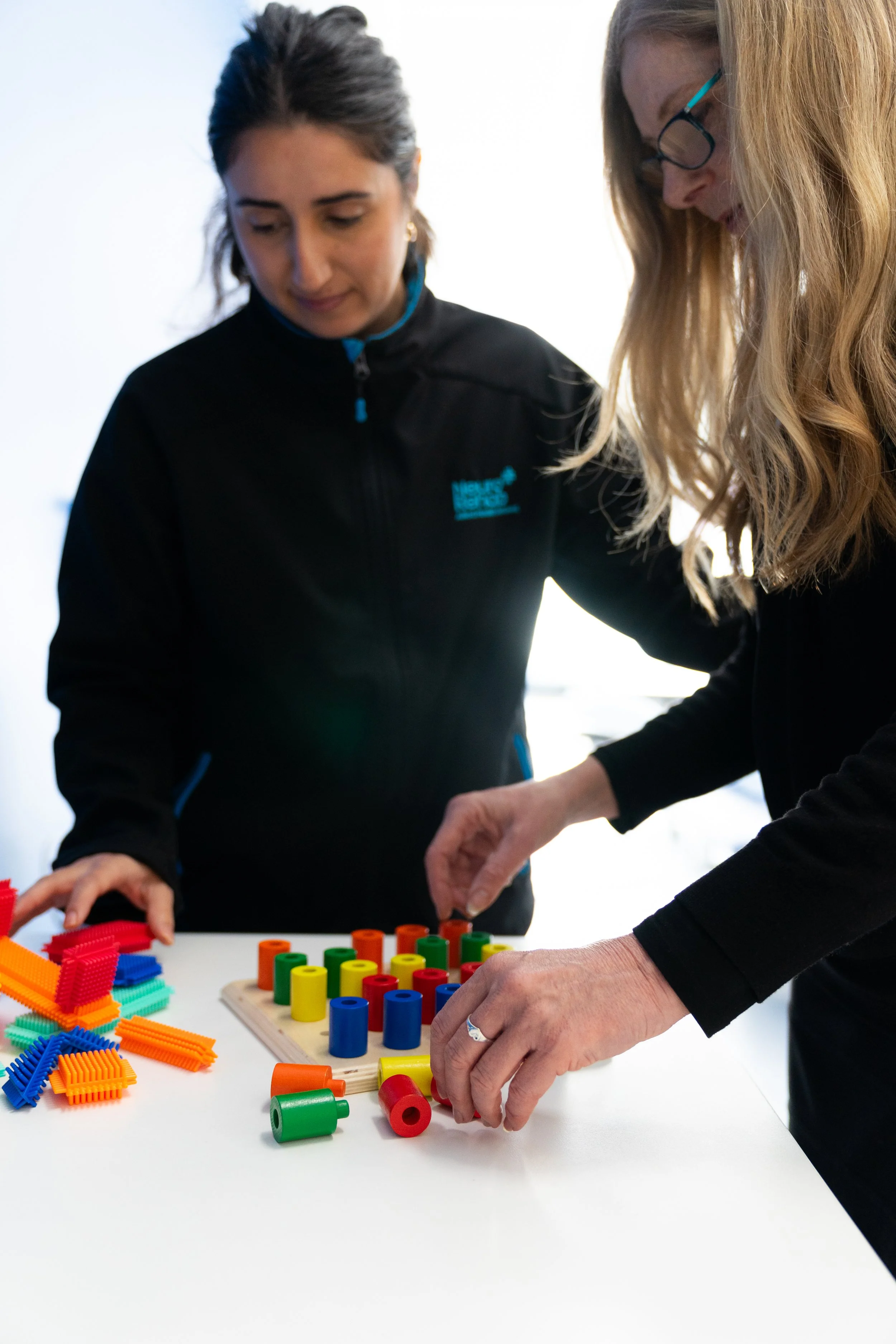
Occupational therapy
Provide cognitive rehabilitation (memory, focus, executive function)
Assist with energy management and fatigue
Plan a supported return to work, study or daily routines
Help with sensory overload and modify tasks to match cognitive abilities
Recommend assistive devices or home modifications to maintain independence
Provide carer training on communication and behavioural support
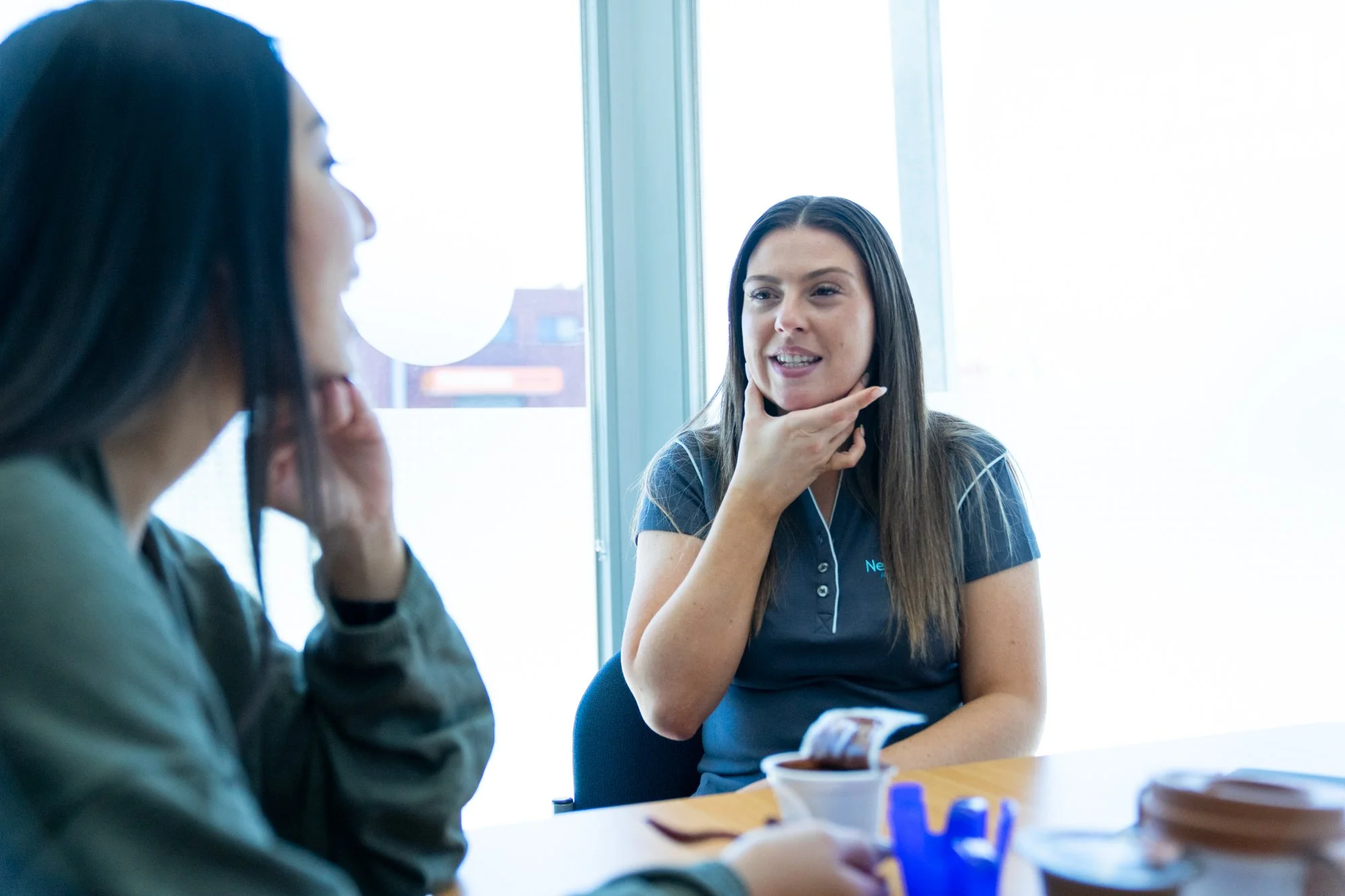
Speech pathology
Support cognitive-communication skills like attention and word-finding
Provide strategies for structured conversations and reduced cognitive load
Help plan for return to work or school communication demands
Assess and manage swallowing difficulties and safe eating
Educate families on communication strategies to stay connected
Support progressive communication changes with AAC if needed
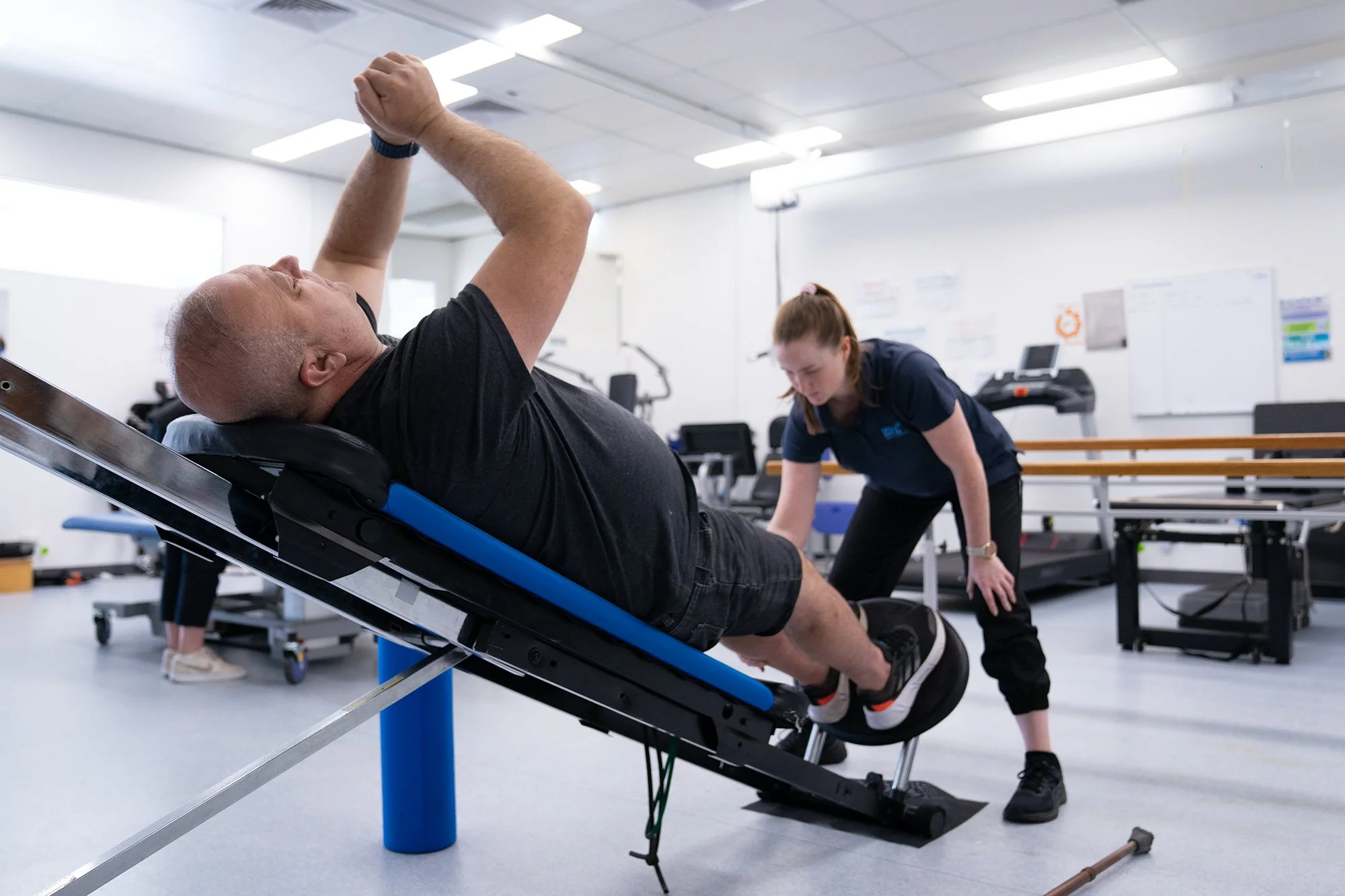
Exercise physiology
Design safe aerobic and strength-building programs
Monitor heart rate, blood pressure and energy levels during rehab
Teach pacing and symptom monitoring to prevent overload
Support physical independence with mobility-focused programs
Adjust activity intensity based on autonomic function
Provide strategies to reduce fatigue and prevent injury
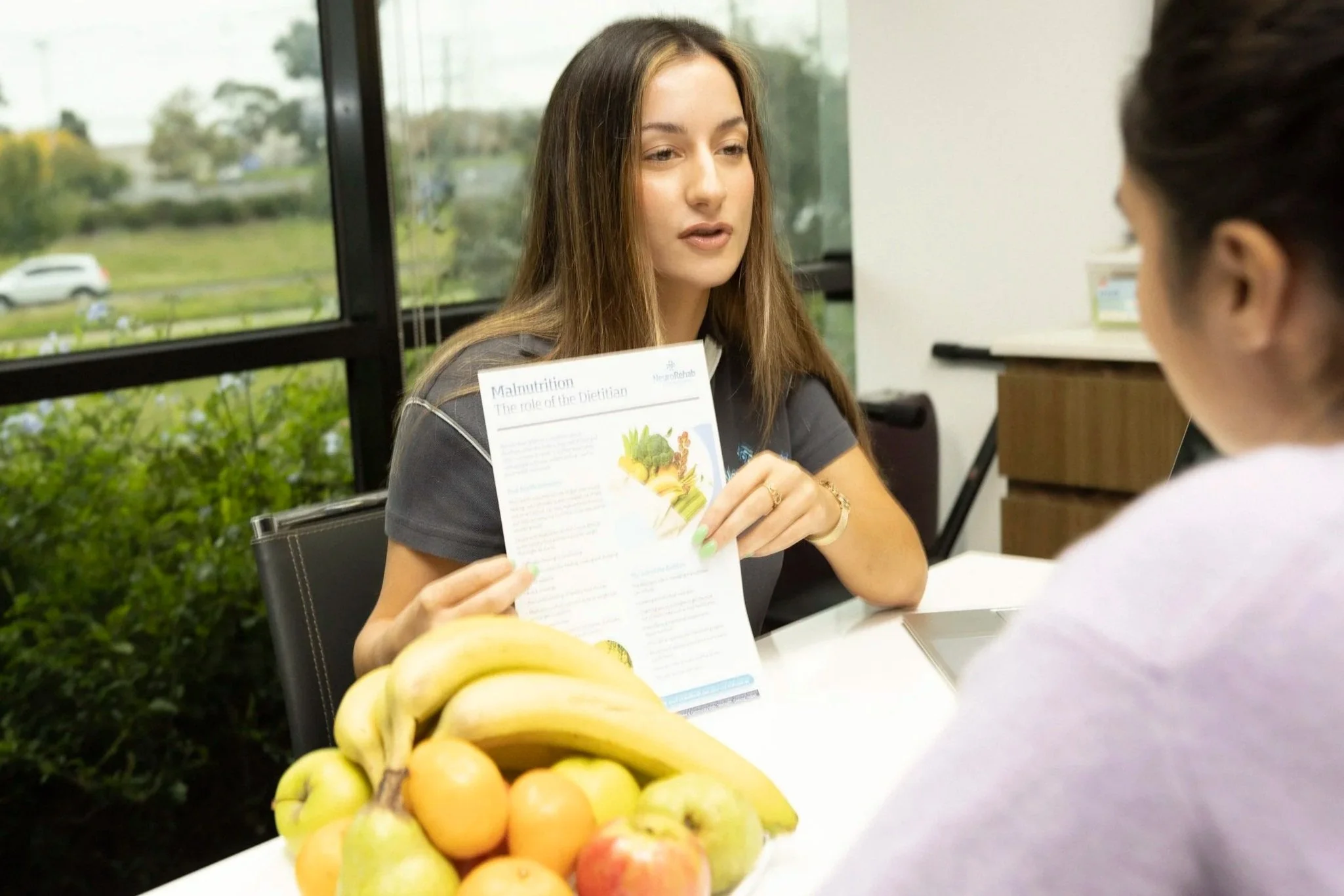
Dietetics
Provide nutrition support to reduce brain inflammation and support recovery
Suggest easy-to-digest, energy-rich foods for clients with fatigue
Offer guidance for appetite changes and meal planning during symptom flares
Monitor nutrition and weight changes due to swallowing or mobility decline
Work alongside speech pathologists if swallowing is affected
Create enjoyable, safe eating routines that support dignity and comfort
When to seek help
If your concussion symptoms have not gone away or are interfering with your ability to work, study or enjoy life, it’s time to speak to a healthcare professional. Whether you’re navigating recent symptoms or managing long-term impacts of brain injury, we’re here to help.
We can also support families and carers in understanding concussion recovery and managing behaviour, communication and routine changes.
Why NeuroRehab Allied Health Network?
We are neurological experts!
Focus on return to function (work, study, sport, hobbies, daily life)
Experienced in treating neurological conditions like Persistent Symptoms after Concussion
Multidisciplinary allied health team working together for holistic care
Clinic, home and telehealth appointments available
We support people of all ages and stages of recovery
Book an assessment
We are currently accepting referrals for Persistent Symptoms after Concussion
Let’s start with a conversation. Fill out a referral form or contact our friendly team to book an assessment.
Take the first step towards better care and improved quality of life. Call us today on 1300 13 16 19 or complete a referral form.